
Beginner’s Guide to Credit Cards in 2026: Credit Card Basics
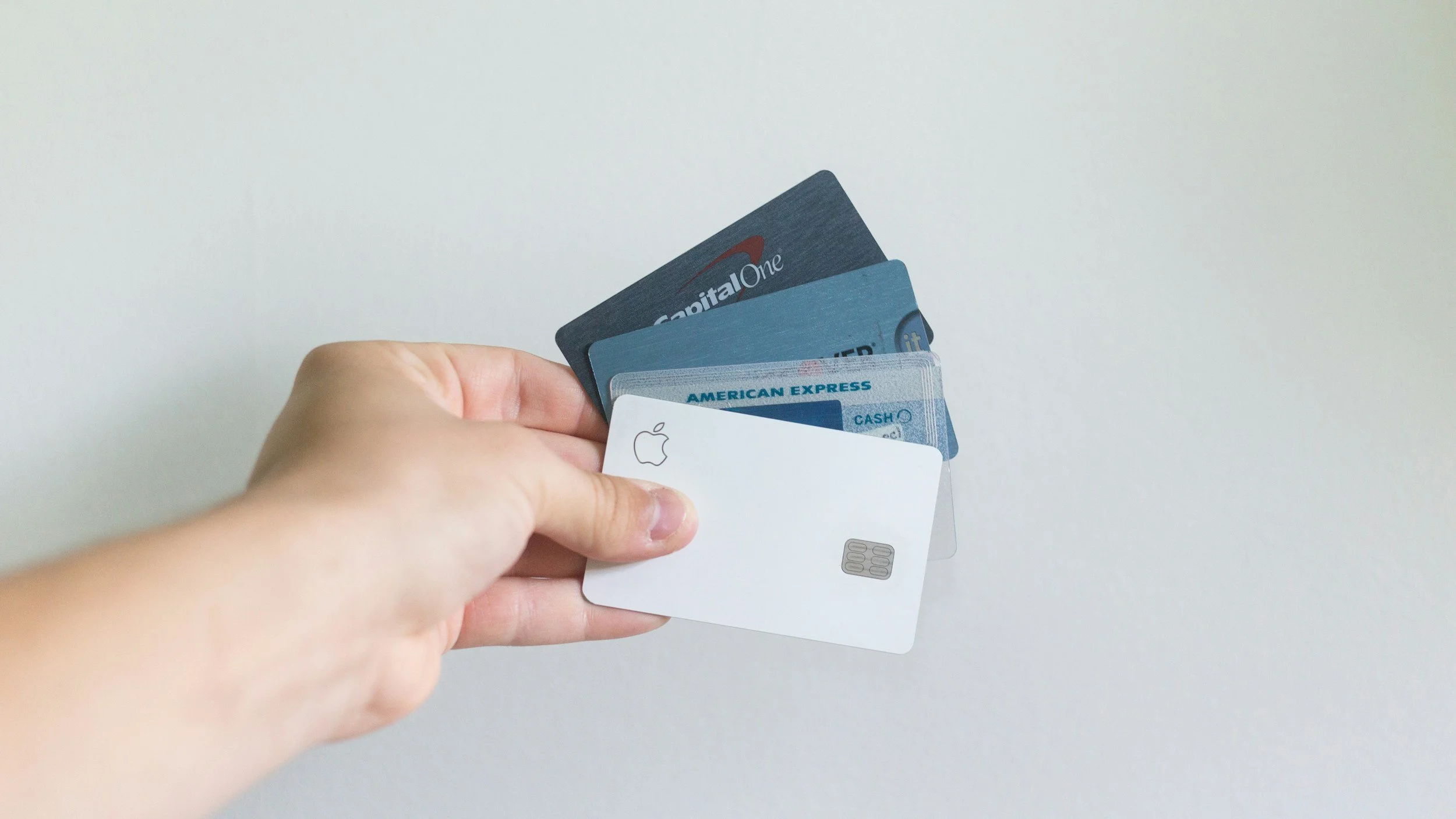
Introduction: Why Credit Cards Matter
Credit cards are one of the most powerful financial tools available today. They can help you build credit, earn rewards, and provide security — but they can also lead to debt if misused. For beginners, understanding how credit cards work is the first step toward using them responsibly. This guide will walk you through everything you need to know: from choosing your first card to building healthy habits that set you up for long‑term success.
What Is a Credit Card?
A credit card is a financial product issued by banks or credit unions that allows you to borrow money up to a certain limit to make purchases. Unlike debit cards, which draw directly from your bank account, credit cards extend a line of credit that you repay later.
- Key terms:
- Credit limit: The maximum amount you can borrow.
- APR (Annual Percentage Rate): The interest charged if you carry a balance.
- Minimum payment: The smallest amount you must pay each month.
Why Start with a Credit Card?
- Build credit history: Essential for loans, mortgages, and even job applications.
- Earn rewards: Cash back, travel points, or discounts.
- Fraud protection: Stronger than debit cards.
- Emergency flexibility: Short‑term backup when savings fall short.
Types of Beginner Credit Cards
According to CardRates and Forbes Advisor, the best starter cards fall into these categories:
Secured Cards | Best For- People with no or poor credit
Example -Requires deposit, builds credit
Student Cards | Best For - College students
Example - No annual fee, rewards on everyday spending
Unsecured Starter Cards | Best For - Fair credit
Example - Modest limits, upgrade potential
Rewards Cards | Best For - Beginners with stable income
Example - Cashback or points on purchases
How to Choose Your First Credit Card
- Annual fee: Look for $0 unless benefits outweigh costs.
- APR: Lower is better if you might carry a balance.
- Rewards: Match to your spending habits (groceries, gas, travel).
- Approval odds: Student or secured cards are easiest to qualify for.
Responsible Credit Card Habits
- Pay in full each month: Avoid interest charges.
- Keep utilization below 30%: Improves credit score.
- Don’t apply for too many cards at once: Protects your credit.
- Track spending: Use apps or spreadsheets.
Building Credit with Your First Card
Your credit score depends on:
- Payment history (35%) — Always pay on time.
- Credit utilization (30%) — Keep balances low.
- Length of credit history (15%) — Keep your first card open.
- Credit mix (10%) — Different types of credit help.
- New credit (10%) — Avoid too many applications.
Common Mistakes Beginners Make
- Carrying balances month to month.
- Ignoring fees and interest rates.
- Overspending to chase rewards.
- Closing old accounts too soon.
FAQs
What’s the best credit card for beginners in 2026?
Secured and student cards are the easiest to qualify for.
Can I build credit without a credit card?
Yes, but credit cards are one of the fastest ways to establish history.
Is it bad to have multiple credit cards?
Not if managed responsibly, but start with one.
Conclusion: Play the Credit Card Game Responsibly
Credit cards are tools — not traps. Used wisely, they help you build credit, earn rewards, and gain financial flexibility. The key is discipline: pay in full, track spending, and choose cards that fit your lifestyle.
Bottom line: Getting into the credit card game responsibly in 2026 means starting small, learning the rules, and building habits that support your financial future.